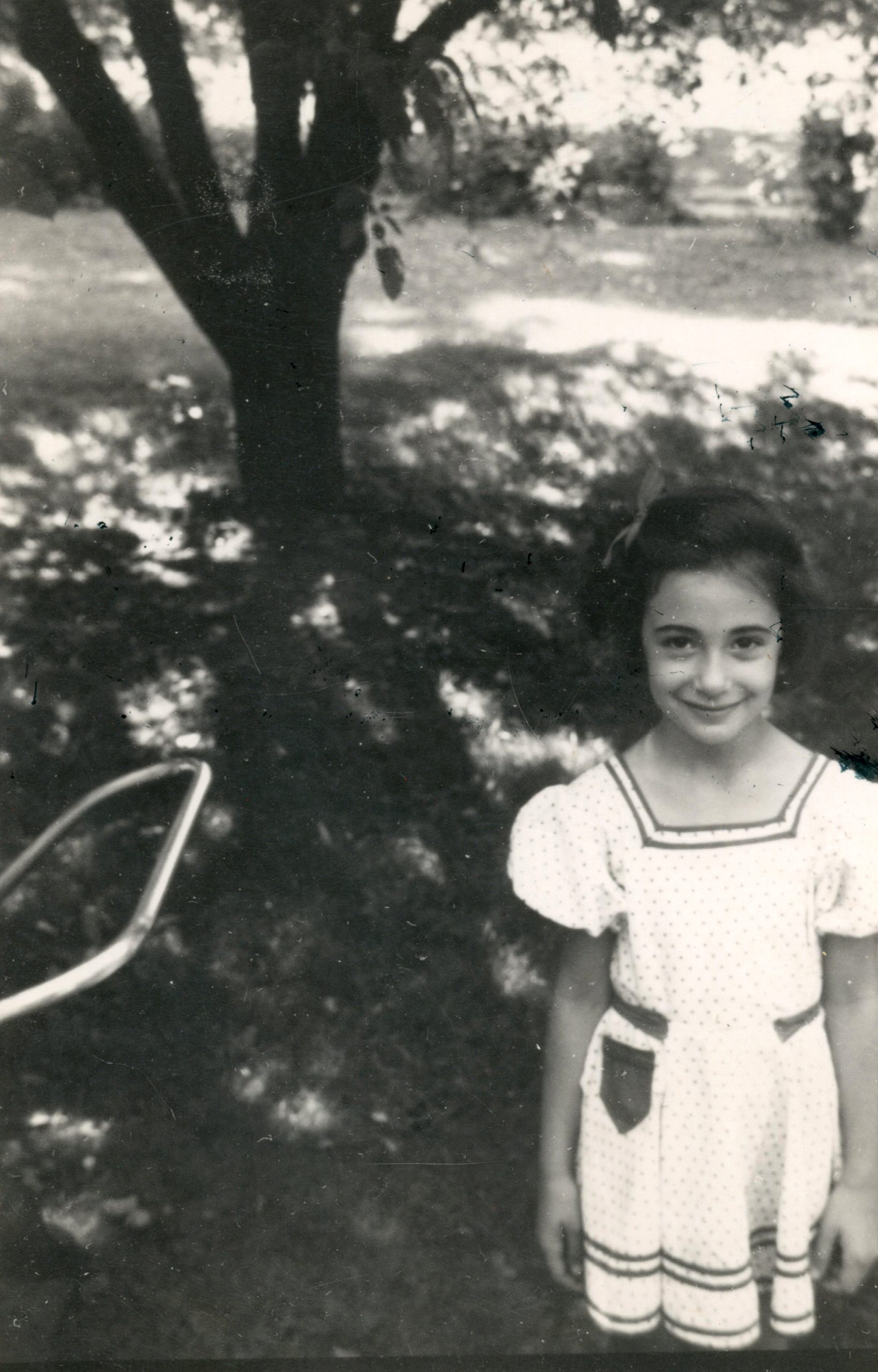
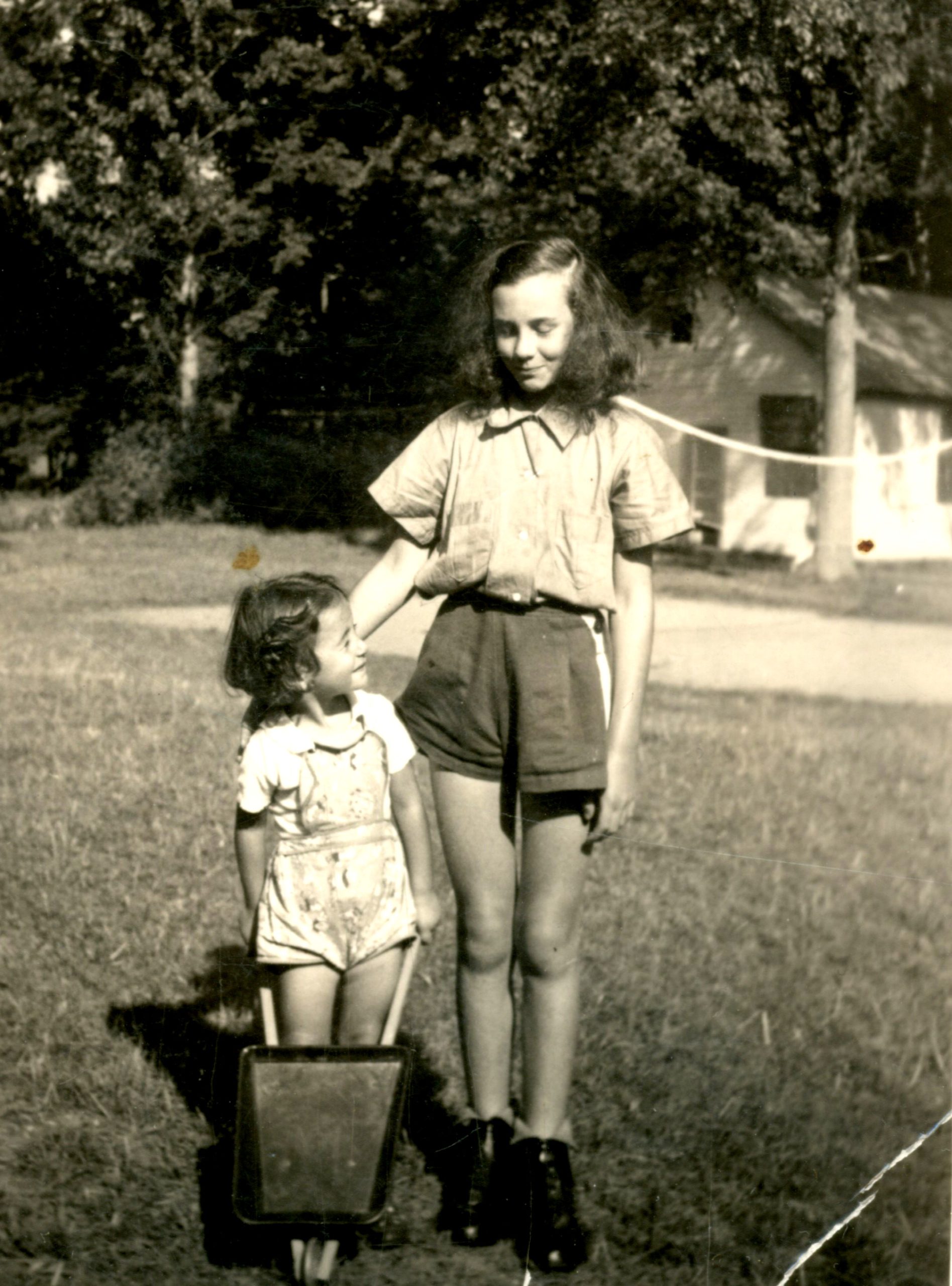
Barbara Ruth Colton
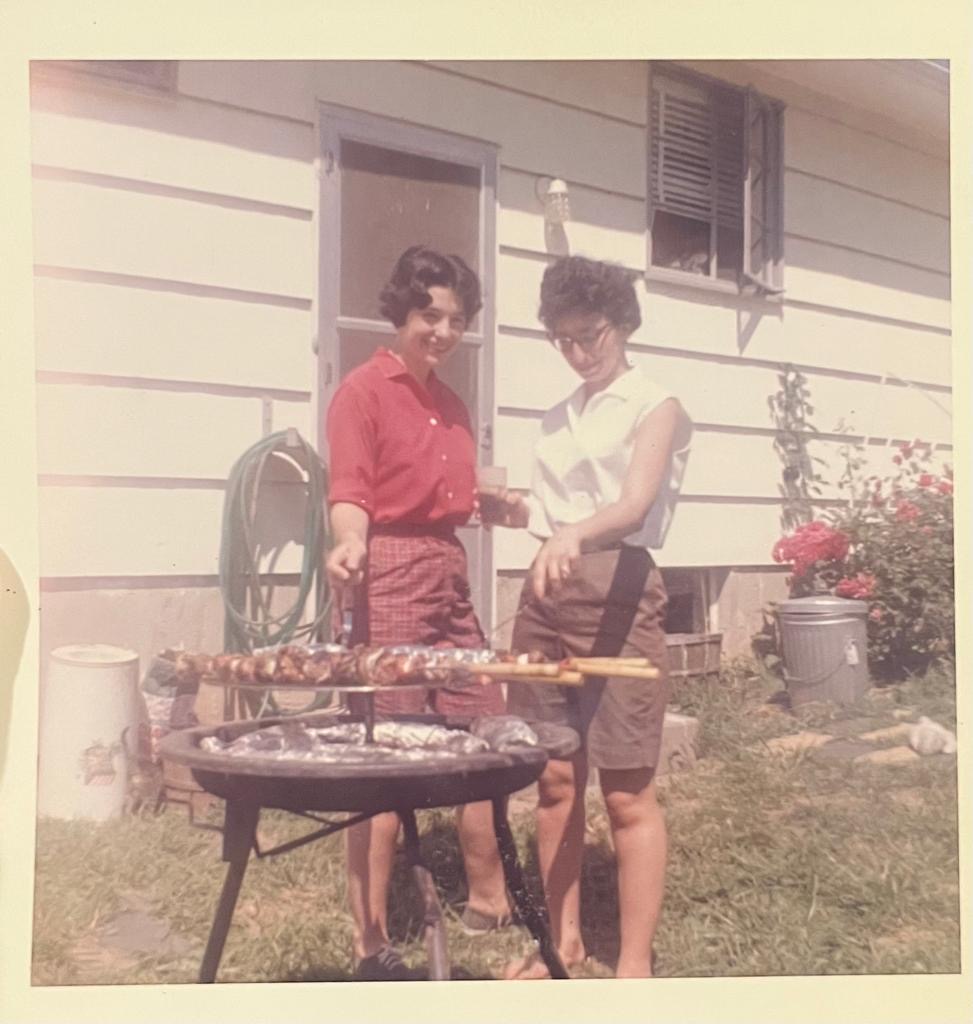
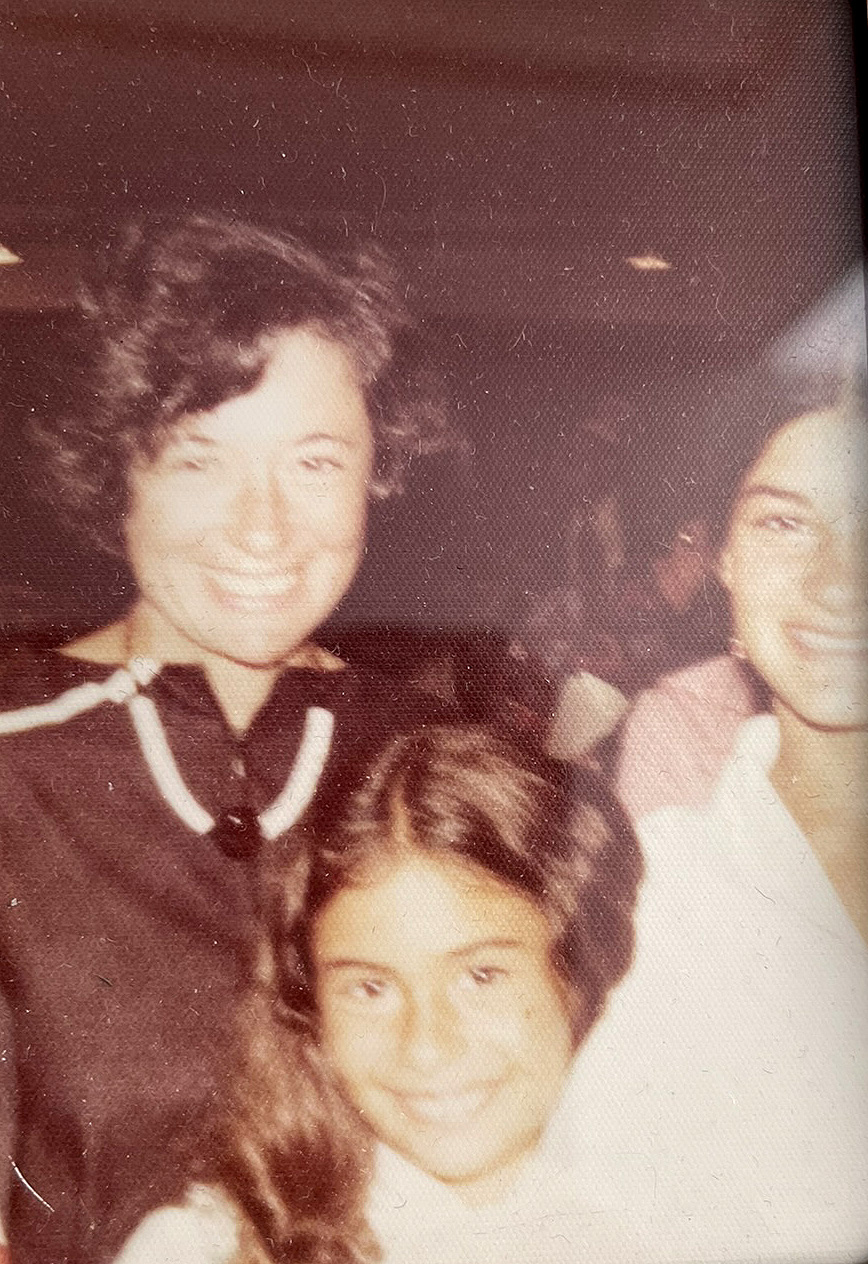
Throughout her brief life, Barbara profoundly influenced her family and future generations. Described by her friends and family as a remarkable woman—radiantly beautiful, creatively gifted, and an exceptional cook—she left an indelible mark on those who knew her. Passover seemed to hold a special place in her heart, evident from the multitude of recipes she meticulously saved. From a young age, I inherited her passion for both cooking and art. Fond memories of shared adventures, whether hunting for treasures to create terrariums, exploring archaeological finds along the creek, or simply baking and indulging in delicious treats, still bring joy.
Her love for plants and remarkable green thumb led her to volunteer at Longwood Gardens, where she delighted in giving tours. Our family’s summers were filled with travels and family time in the Birkshires, while winters were spent skiing, another activity she thoroughly enjoyed. She not only taught me practical skills like cooking and cultivating avocado plants from pits.
Above all, she emphasized the importance of family, particularly the tradition of sharing meals together. Though she departed this world far too soon, her legacy lives on. Her grabd-childrens diverse interests in science, medicine, art, and cooking are a testament to her enduring influence. Despite her physical absence, her spirit continues to shape our lives, guiding us with the values and passions she so lovingly imparted.

Photos
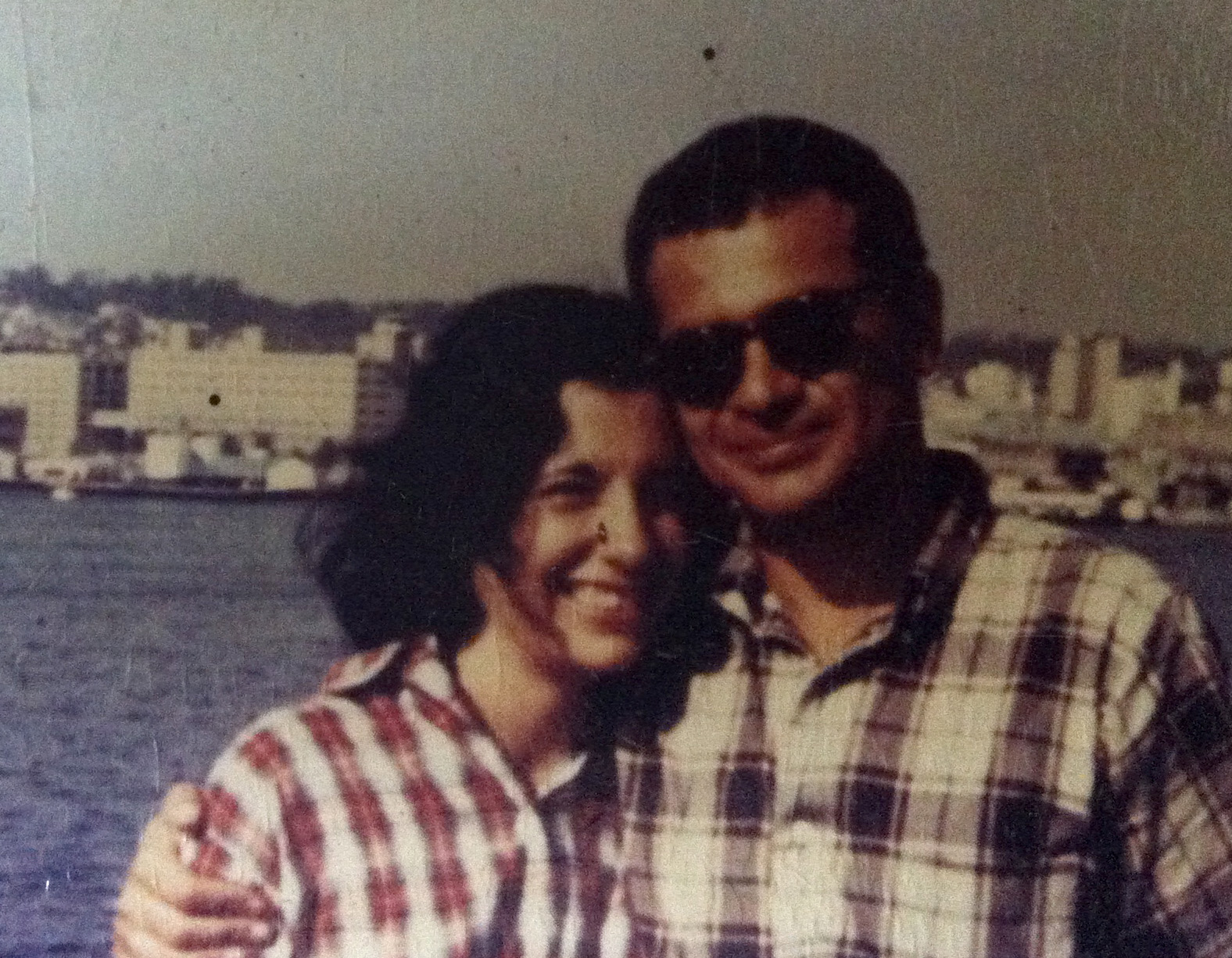
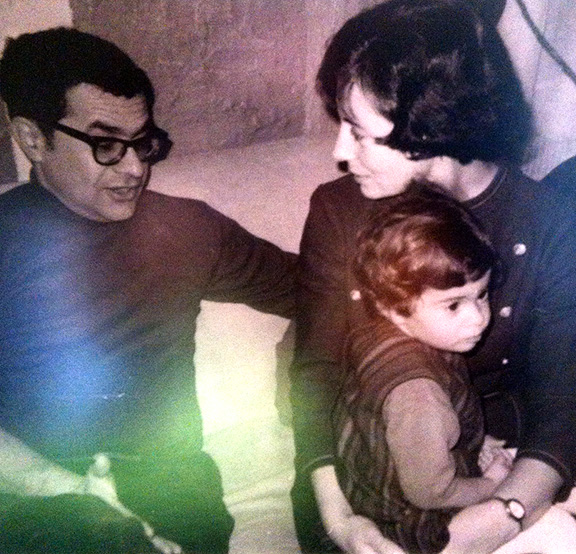
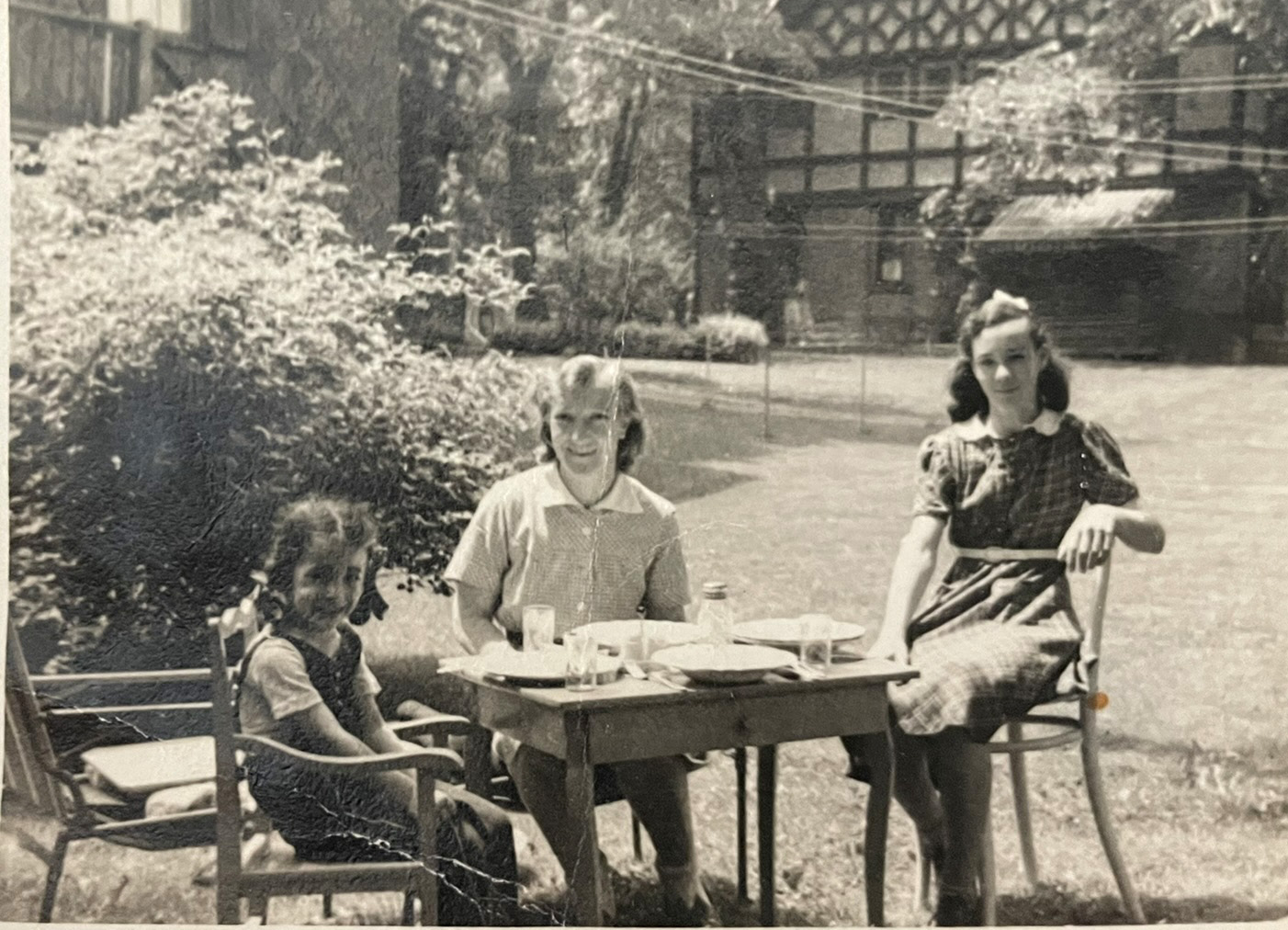
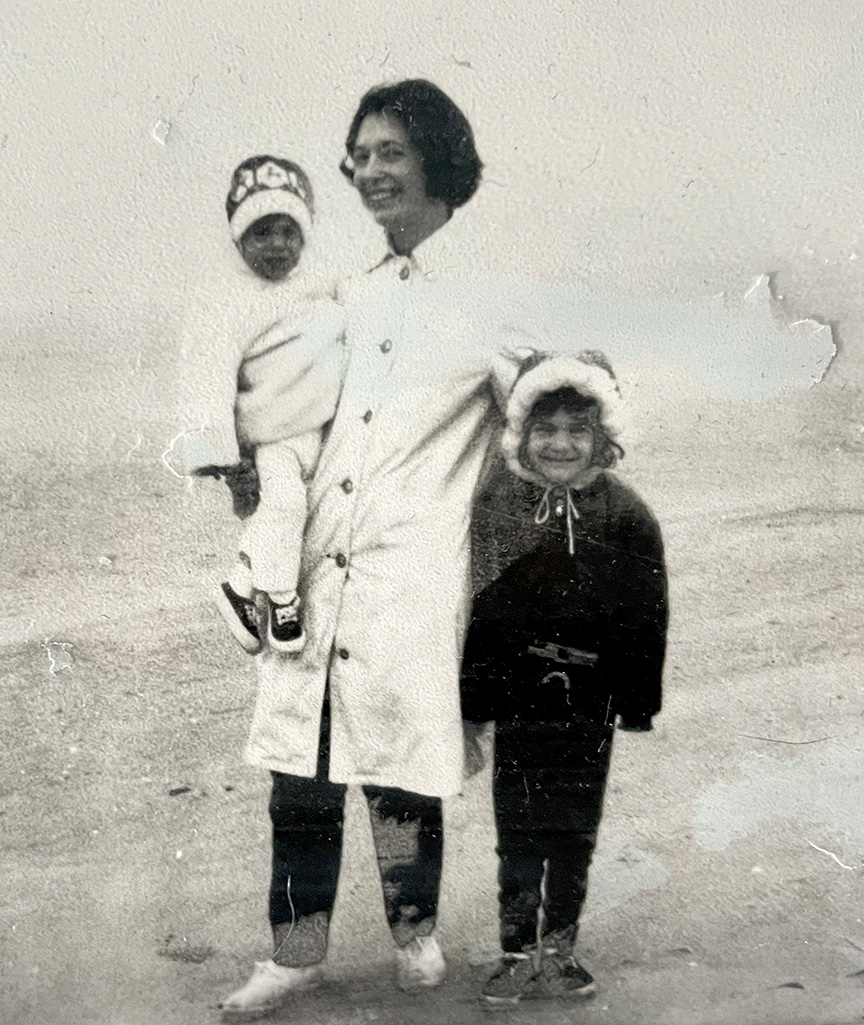
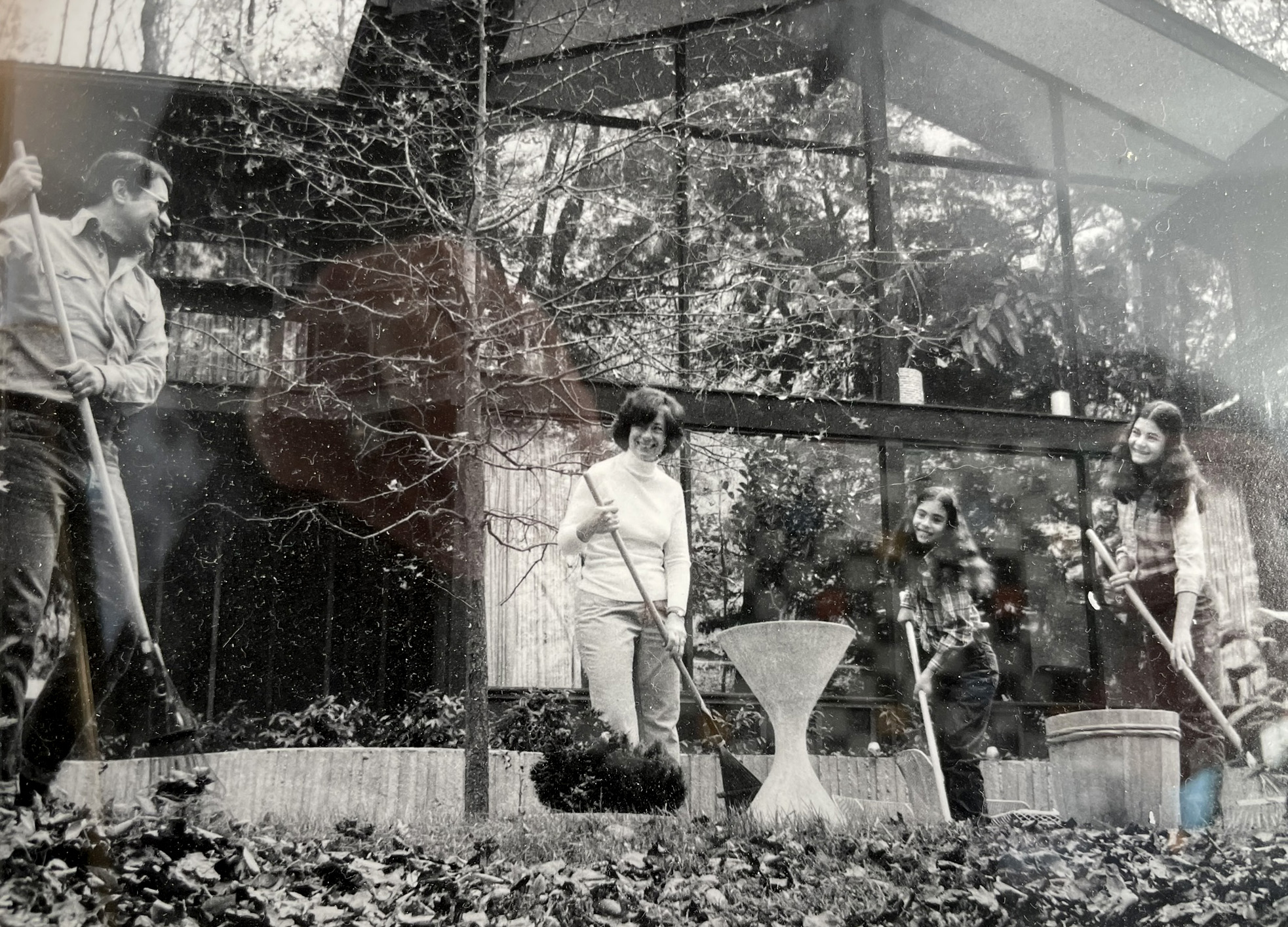
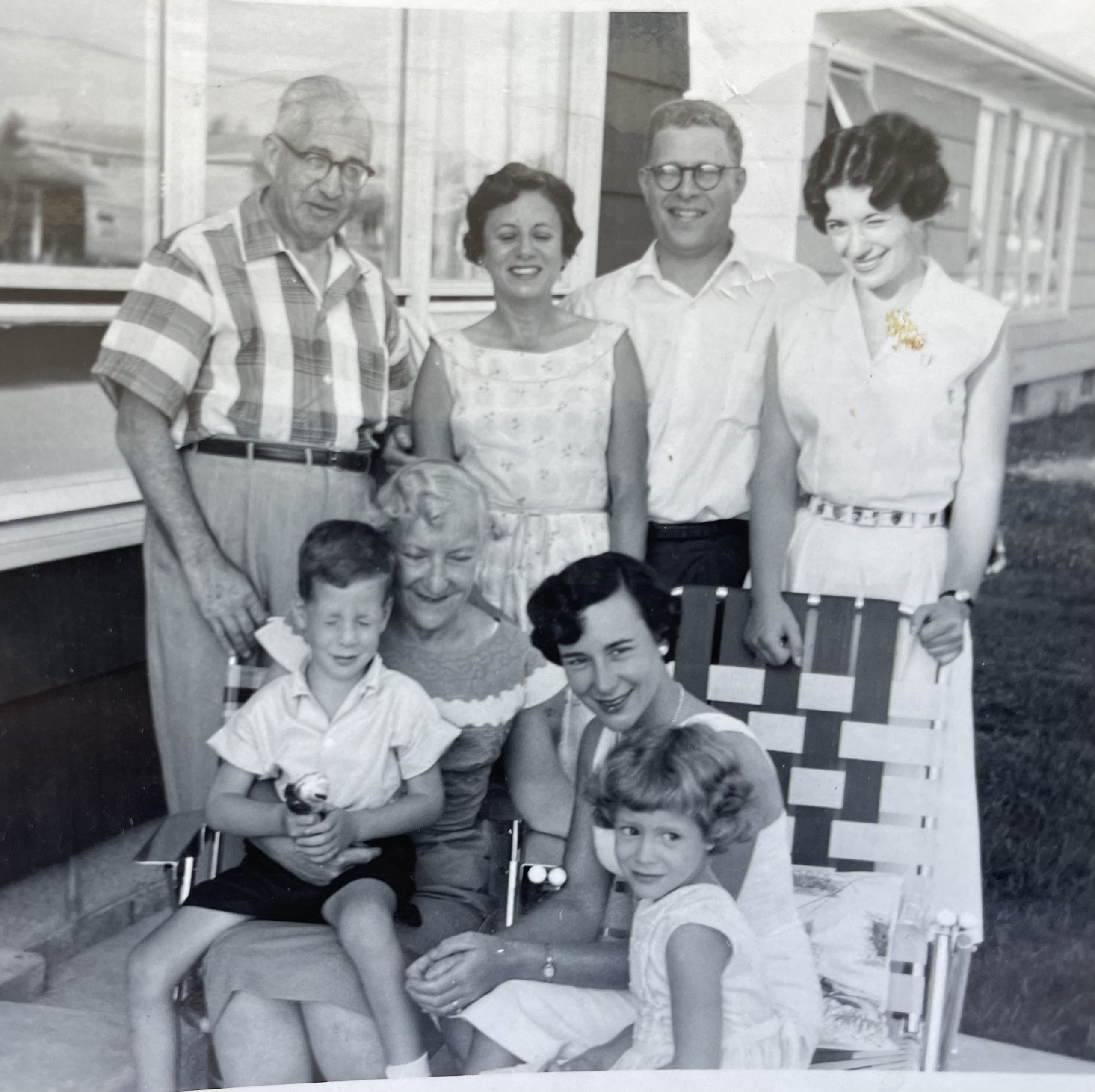
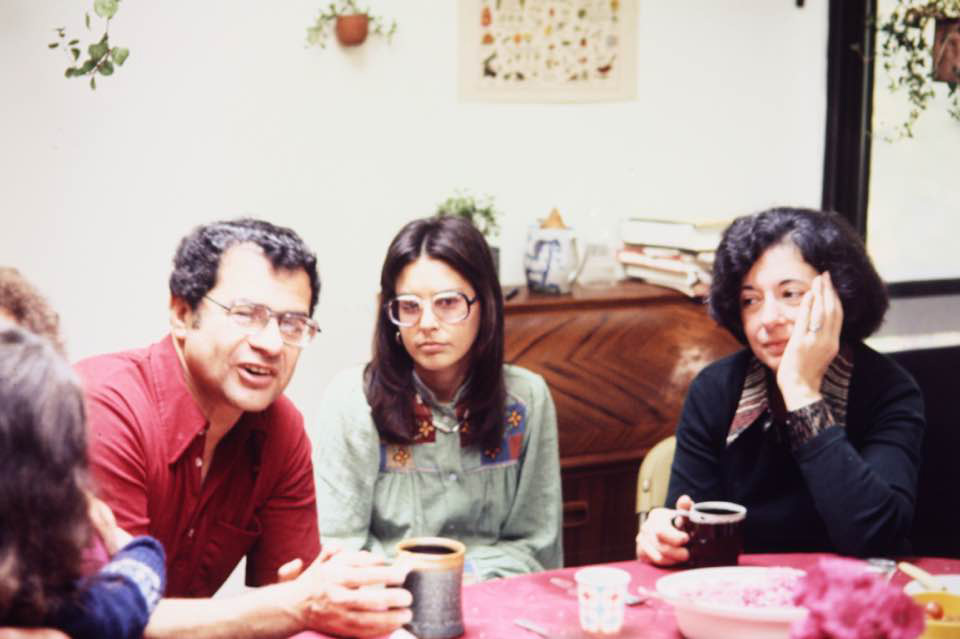

Artwork
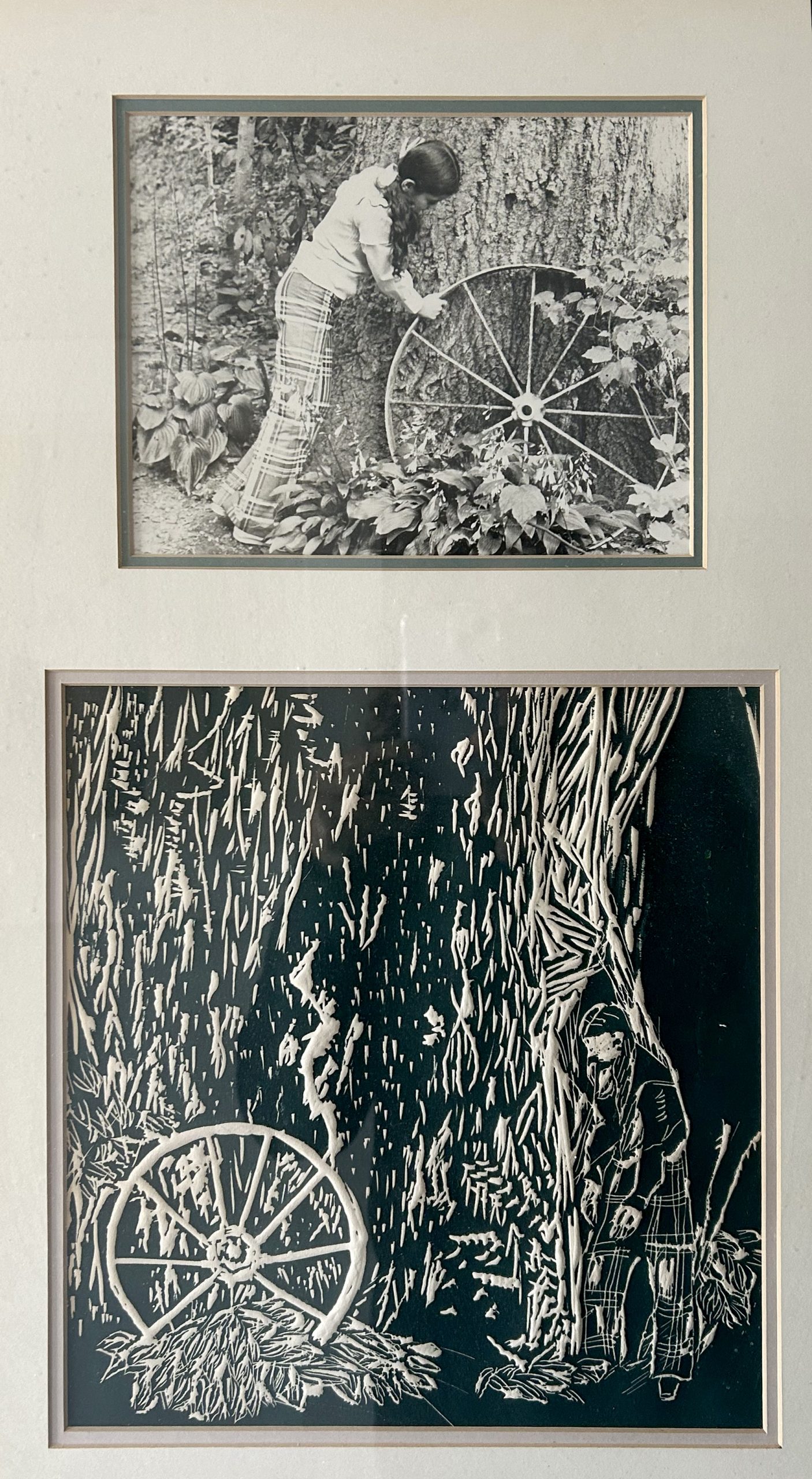
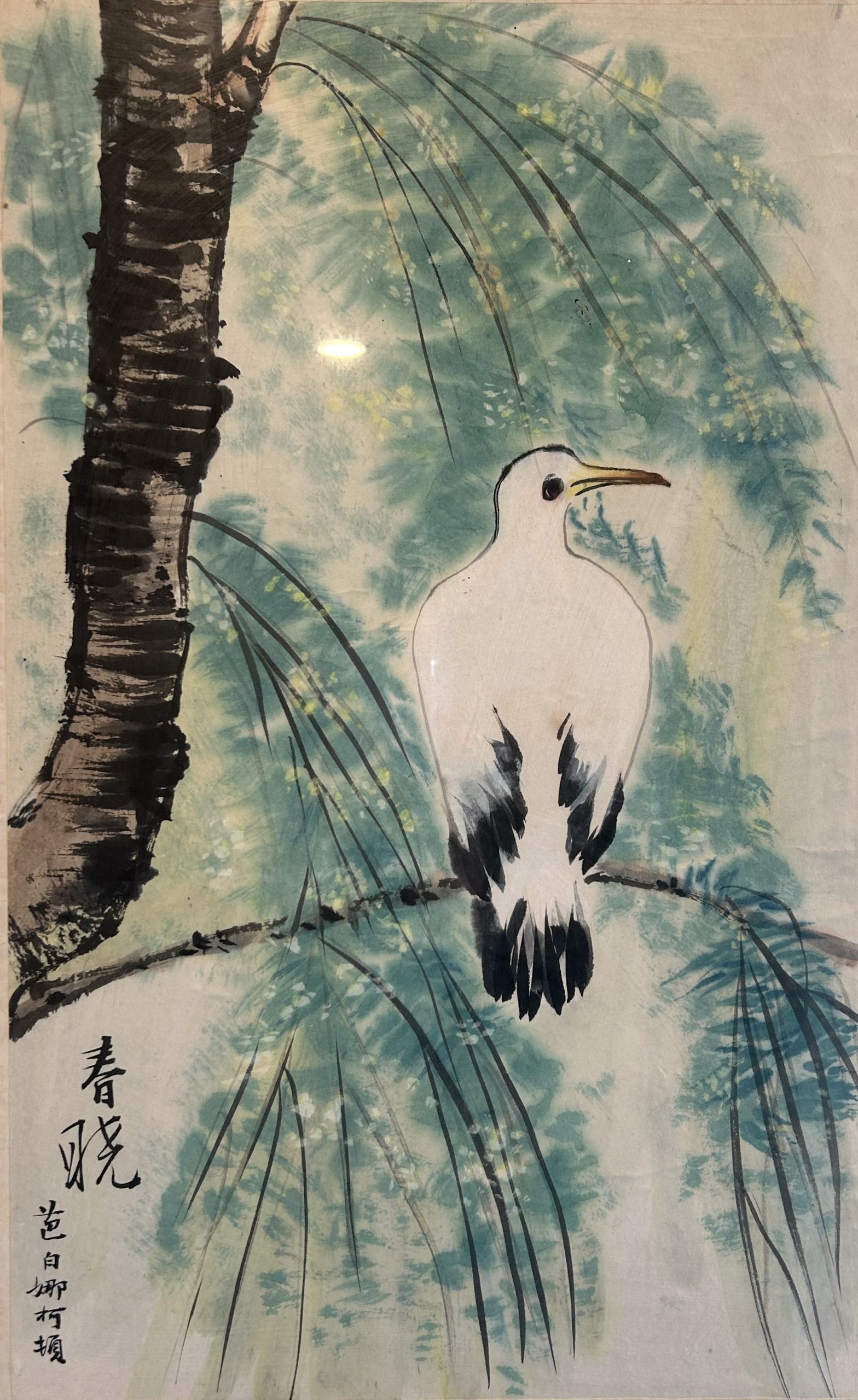
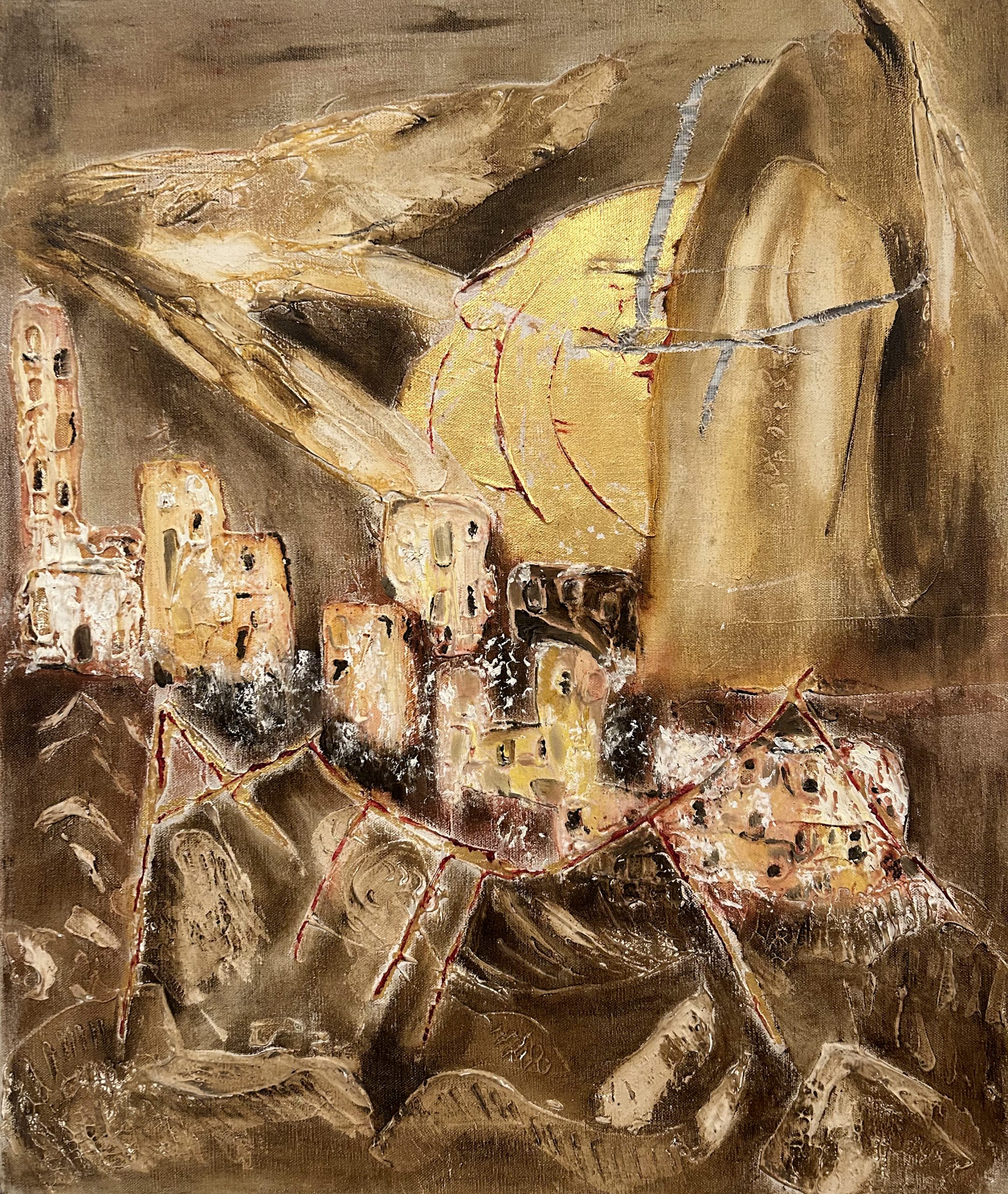
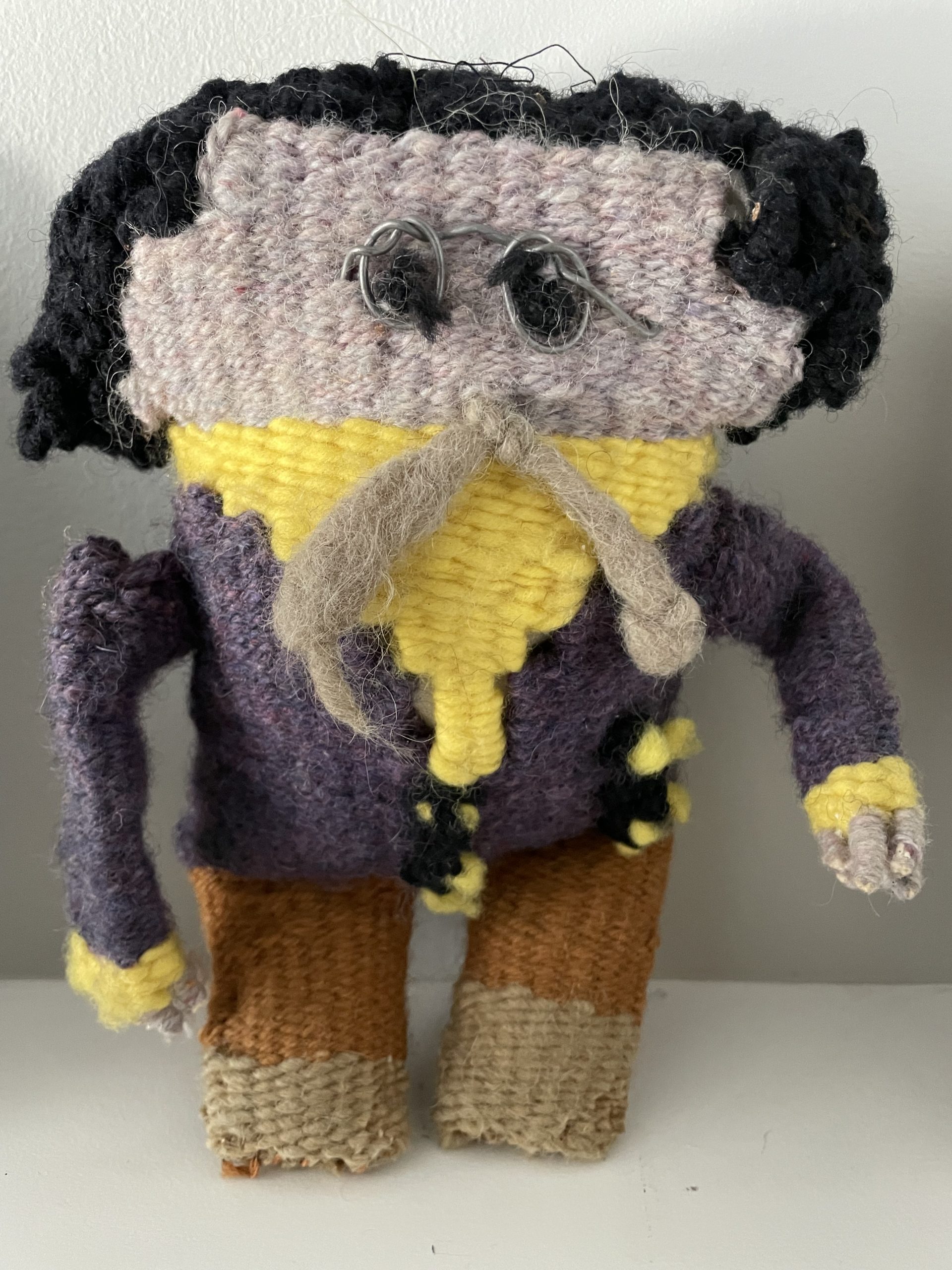
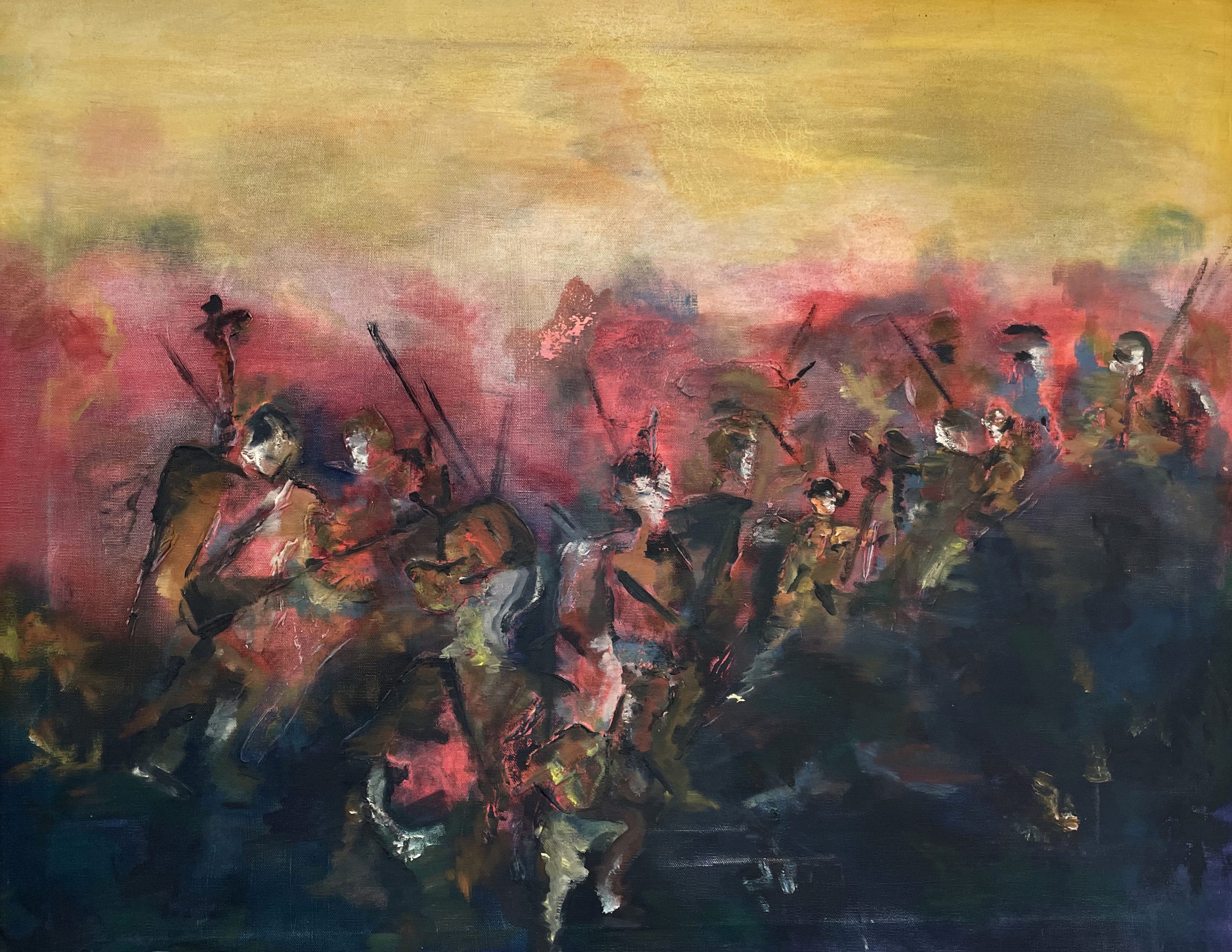
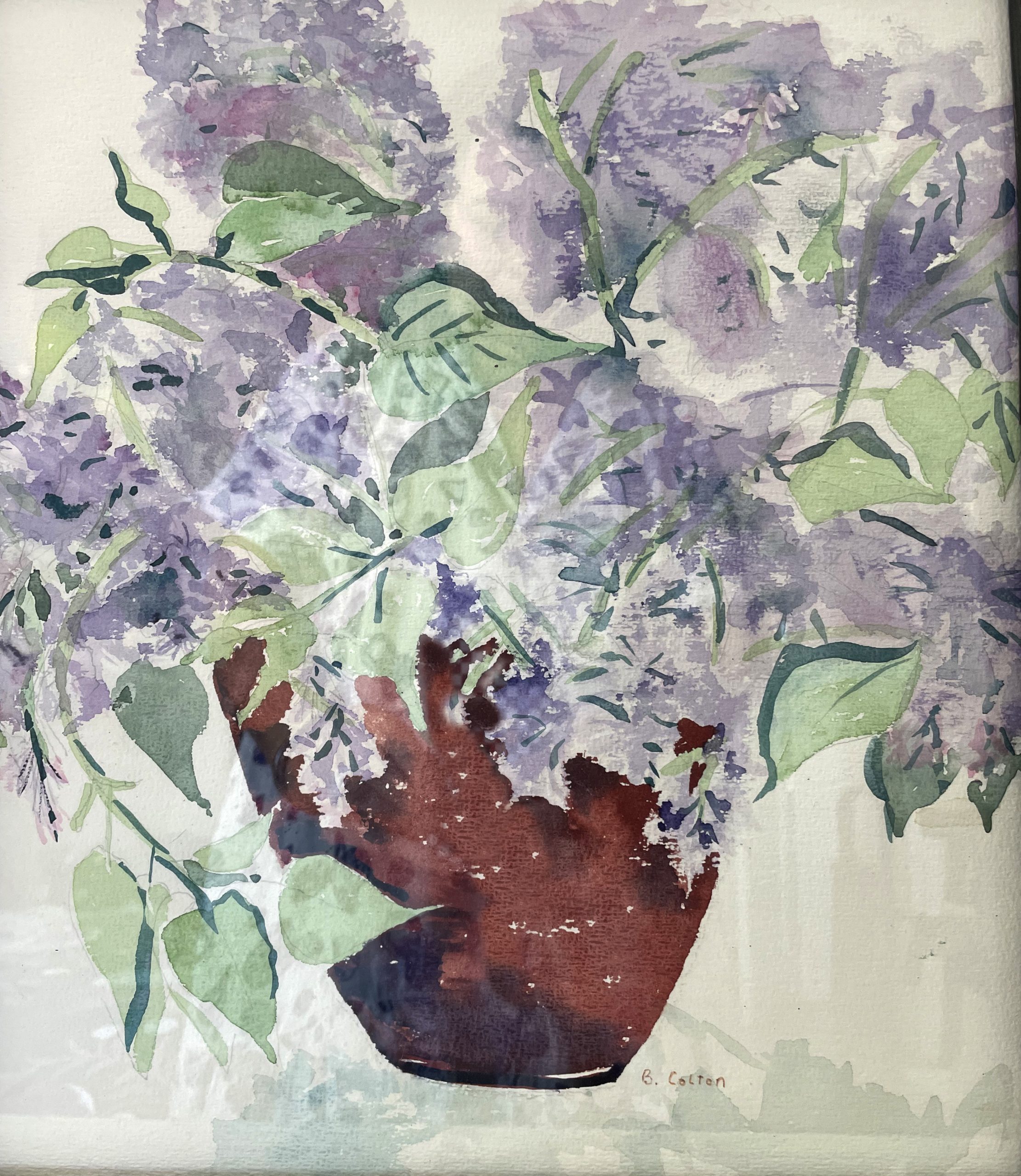
History
German name: Barbel Ruth Lowenstein
- Born in Hannover Germany, September 19, 1926
- Arrived in New York City, January 29, 1939 on the SS Manhattan
- Grandmother: Emma Lewkonja from Westphalia, Germany (owned department stores in Germany)
- Father: Gustav Mother: Anne. Sister: Anne Glaser
Barbara’s family’s story during World War II is both harrowing and courageous. Their escape from Nazi Germany amidst the turmoil of the war reflects the resilience and strength of many Jewish families during that time.
It appears that Barbara’s father, Gustav, initially believed that his connections with high-ranking Nazi officials would protect his family from persecution. However, the reality of the situation became evident during the infamous “Kristallnacht” pogrom in November 1938, when Nazi forces violently raided Jewish homes, businesses, and synagogues across Germany. Barbara and her sister Anne experienced the terror of hiding in a closet while their home was under attack.
Tragically, their grandfather, unable to bear the horror of the persecution and likely feeling betrayed by those he once trusted, took his own life shortly after the events of Kristallnacht.
Despite these challenges, the family did not give up hope, Gustav, in his final act, perhaps inspired by a sense of duty and compassion, chose to assist fellow Jews by working as a doctor in the Jewish Underground. His bravery and dedication to helping others in the face of immense danger is commendable.
In 1939, realizing the increasing danger they faced under Nazi rule, Barbara’s family made the difficult decision to flee Germany.
Settled in Rochester NY after first living in New York City, falling ill and finding a doctor in Rochester who guided her to health, family stayed thereafter.
Father died around 1955
Mother died around 1971-72
Recipes